
My Intermittent Fasting Journey: From Heart Scare to Health Recovery
A Wake-Up Call That Changed Everything
Sometimes life gives us a moment we never forget — a moment that forces us to stop, reassess, and confront the direction our health is heading.
For me, that moment happened about two years ago during what I thought would be a routine blood-pressure check. The nurse placed the cuff on my arm, started the machine, and then froze.
My blood pressure was over 200 systolic and around 120 diastolic — dangerously high, the kind of reading that can lead to heart failure or stroke without warning.
Within minutes I was sent for an ECG. After further checks, I was placed on blood-pressure medication and later statins to lower cholesterol. It was frightening — the sort of wake-up call that makes you re-evaluate everything you thought you knew about your health.
I was told I needed to lose weight. At the time I was around 99 kg.
I started with a traditional diet… but it didn’t feel sustainable.
And then I discovered something that changed the course of my health completely:
Intermittent Fasting.
What Is Intermittent Fasting?
Intermittent Fasting (IF) is not a diet — it’s a structured timing pattern for eating.
Instead of focusing on what you eat, IF focuses on when you eat.
The basic idea is simple:
You alternate between periods of eating and periods of fasting so your body has time to burn stored energy, stabilise hormones, and reset metabolic processes.
Here’s a helpful visual overview:
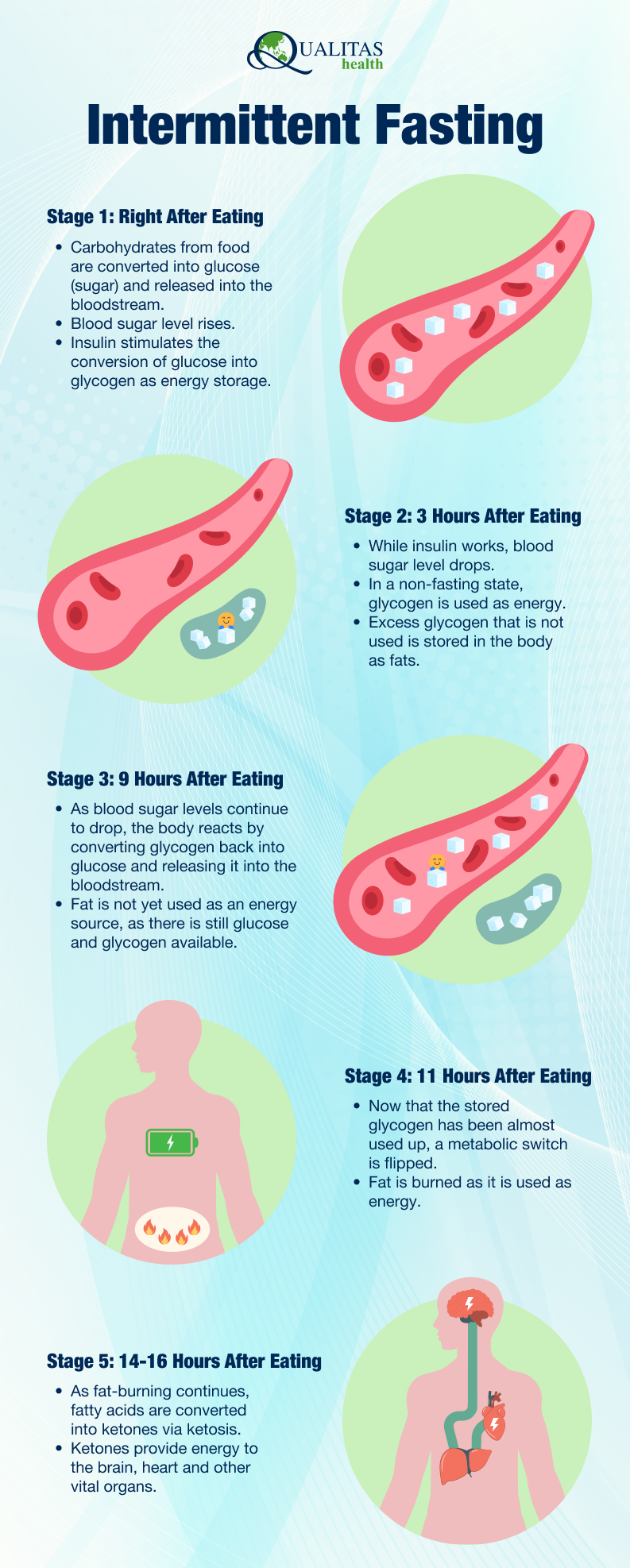


How Intermittent Fasting Works — A Detailed Explanation
Intermittent Fasting works through a series of biochemical changes that happen when the body shifts from “fed mode” to “fasting mode.”
1. Blood Sugar Drops → Insulin Drops
When you stop eating for several hours, insulin levels naturally fall.
Low insulin signals the body to stop storing fat and start burning stored energy.
2. Glycogen Is Used Up → Fat Burning Begins
The body first burns glycogen (stored carbohydrates).
Once these stores run low, it turns to fat as the primary fuel source.
3. Increased Fat Oxidation
During fasting, the body becomes more efficient at breaking down stored fat for energy.
This is why IF often leads to consistent, noticeable weight loss without restricting food choices.
4. Autophagy — The Cellular Cleanup Process
After 12–16 hours of fasting, the body begins autophagy — a self-cleaning mechanism where cells recycle damaged components.
This is linked to:
improved longevity
reduced inflammation
better metabolic health
enhanced cellular repair
5. Hormonal Balancing
Fasting can support:
lower insulin resistance
improved growth hormone levels
better appetite-regulation
Together, these effects help improve weight, energy, and metabolic markers such as blood pressure and cholesterol.
The Type of Intermittent Fasting I Chose: 2pm–9pm
Some people follow 16:8 fasting, others 18:6, OMAD, or alternate-day fasting.
The method that worked for me was simple and sustainable:
My Eating Window: 2pm → 9pm (7 hours)
This created a 17-hour daily fast.
During the fasting window, I consumed:
water
black tea or coffee
zero-calorie fluids
No snacks, no milk, no calories — letting the body fully enter “fat-burning mode.”
Why this window worked for me:
Skipping breakfast was surprisingly easy
My body had time to digest before sleep
Evening meals felt normal and social
Hunger reduced after the first week
Energy became more stable
Over time, my appetite naturally recalibrated.
Benefits of Intermittent Fasting (Supported by Research)
Here is another visual overview of common IF benefits:
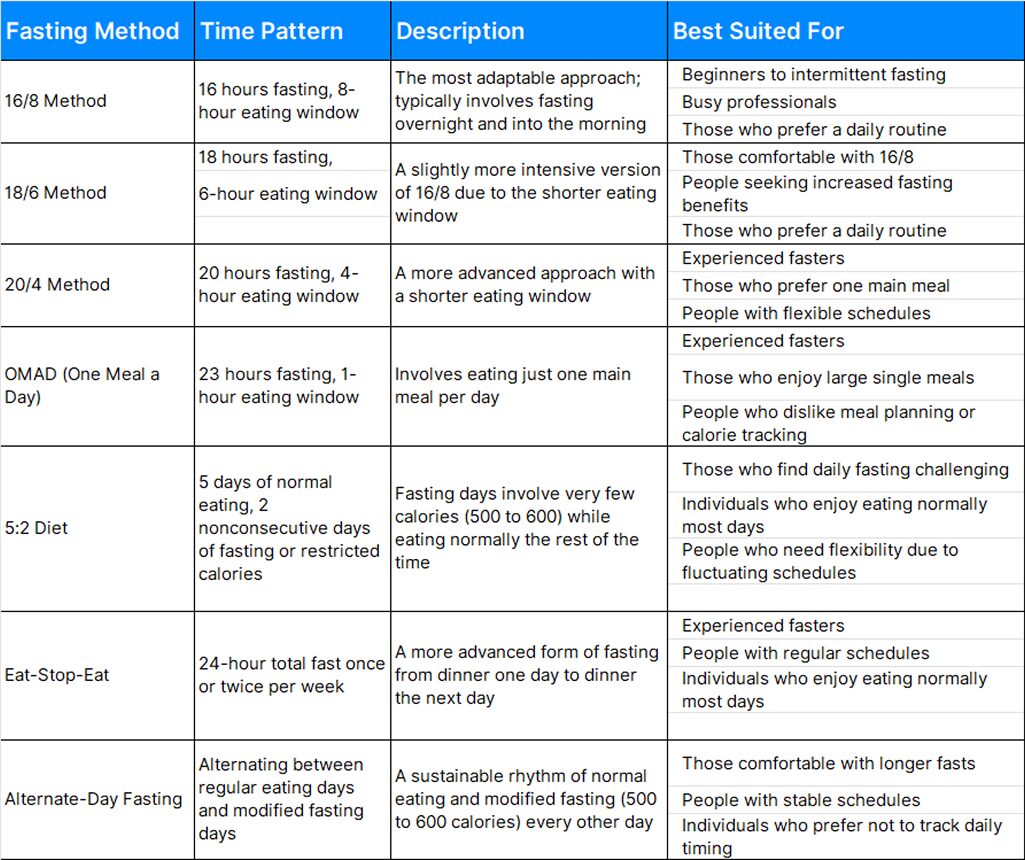

Most commonly reported benefits include:
steady weight loss
improved cholesterol levels
lower blood pressure
reduced inflammation
improved insulin sensitivity
better mental clarity
increased energy
improved digestion
My Results: A Transformation in Three Months
By combining my new eating window with sensible food choices, something remarkable happened:
⭐ Weight dropped from ~99 kg to ~84 kg
A significant reduction that I could actually maintain.
⭐ Blood pressure normalised
Within about three months, my readings stabilised enough for me to stop blood-pressure medication.
⭐ Cholesterol improved
This allowed me to discontinue statins as well.
⭐ Energy, mobility & wellbeing dramatically improved
Less inflammation, improved movement, and a general feeling of rejuvenation.
⭐ A sense of control returned
Intermittent Fasting didn’t just improve my health —
it gave me back my confidence and ownership over my body.
Conclusion: Intermittent Fasting Gave Me My Life Back
What started as a frightening heart-health scare became the catalyst for a total health transformation. Intermittent Fasting wasn’t a quick fix — it was a sustainable lifestyle that helped my body reset and heal in ways medication alone never did.
If you’re exploring natural, evidence-supported ways to improve your health, manage weight, and support heart health, Intermittent Fasting may be worth considering.
This is my personal journey, not medical advice — but I hope it encourages you to explore your own path toward better health.